Silicon Ring with Magnetic Base Former Kit
These new base formers with magnets are practical to use, making remodeling and repositioning models on wax-ups easier. Dental model base formers are easy to clean and store when not in use. Model base formers are the base formers usually made up of rubber which help the dentists or their team members to make the casts of ideal dimensions. The dental plaster or dental stone is poured into the base formers and then it is allowed to set. In this way, the required mold is achieved with the help of the respective base formers.
The rubber material used in the base formers insures that after the plaster or mold has been set then the mold can be taken out without causing any breakage or damage to the mold. In this way, the work in the dental clinics can be done at a faster speed with the use of the base formers.
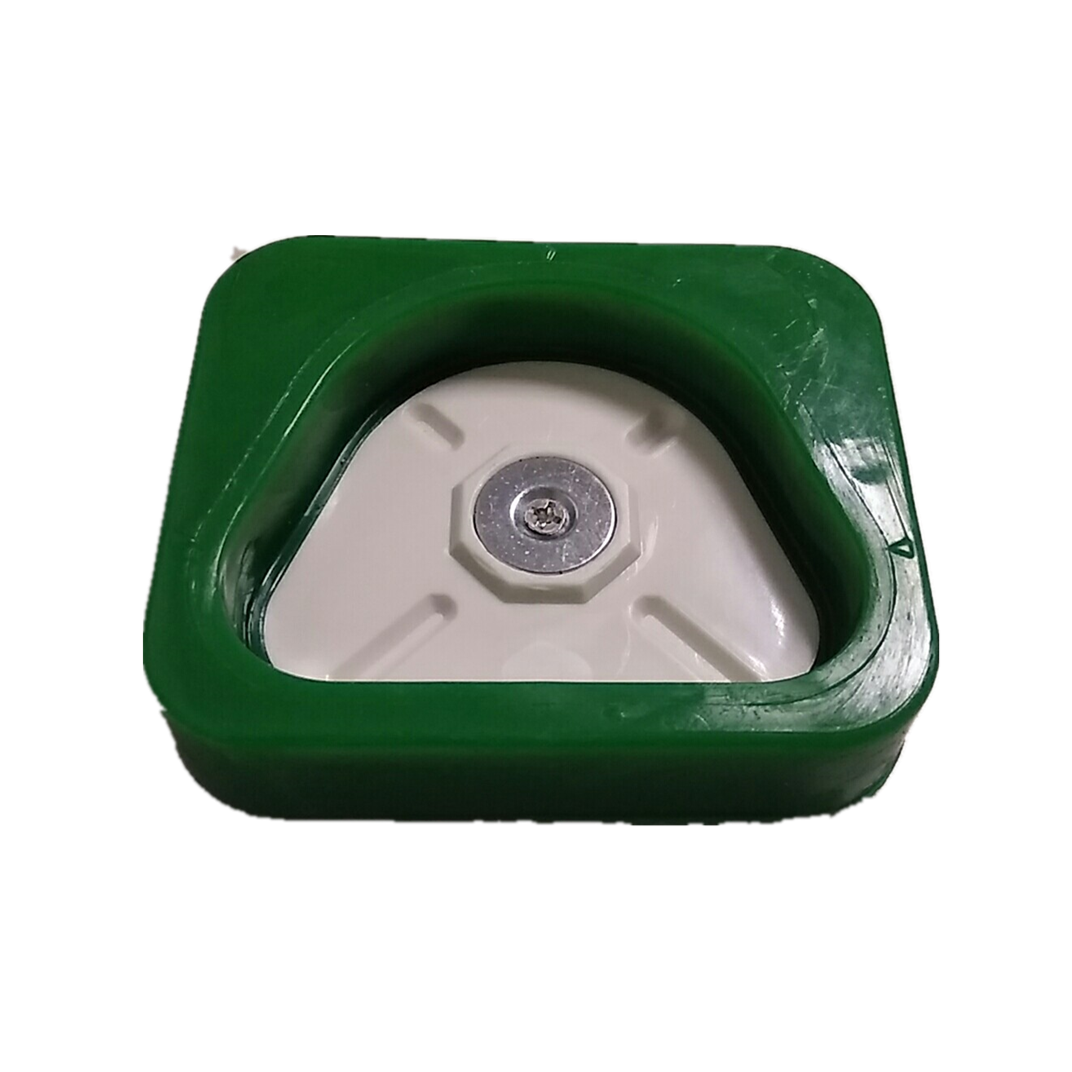
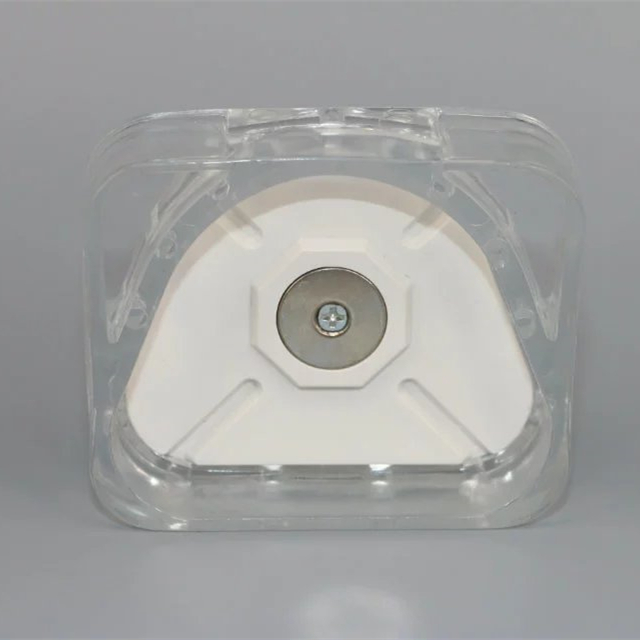
Magnetic base plates length in 6.7mm and 7.9mm with blue, and translucent silicon ring respectively. Users can select the model mould according to your die fabrication and dowel pins.
Product in the kit size option
- The blue plastic ring is for the small size of the base plate

- The clear plastic ring is for the big size of the model base plate.
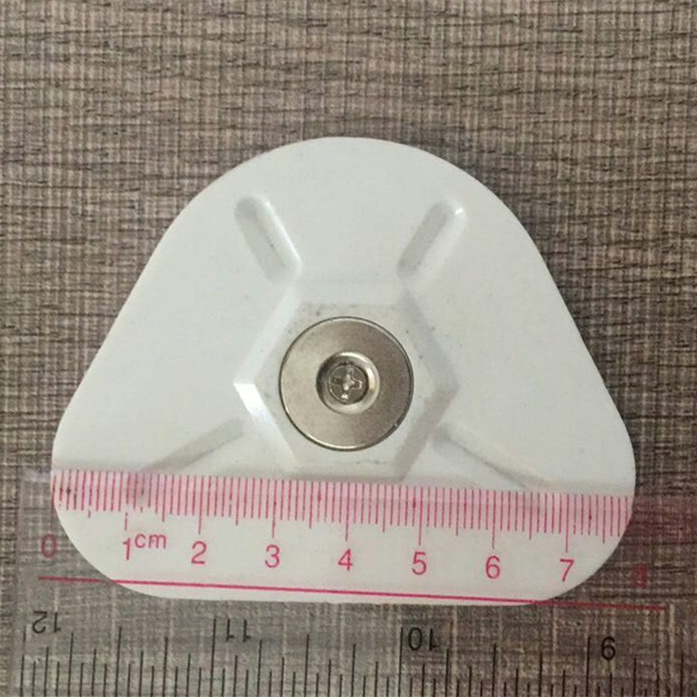
Blue and clear plastic ring deep is 16, 18, and 20 mm options according to your dental lab plaster model arch workpiece.
Mould Comparison:
| Feature | 6.7 mm Blue System | 7.9 mm Translucent System |
|---|---|---|
| Ring & Plate System | Blue silicone ring + blue base plate | Translucent silicone ring + translucent base plate |
| Plate Maximum Length | 6.7 mm (shorter) | 7.9 mm (longer) |
| Die & Pin Compatibility | Optimised for pin‑less die fabrication or very short dowel pins | Designed for traditional longer dowel pins and deeper stone bases |
| Articulator Clearance | Fits compact, low‑profile articulators (max vertical clearance) | Allows deeper anchorage for heavy‑arch stone volumes |
| Typical Use Cases | • Pin‑less workflows • Small‑to‑medium restorations • Limited vertical space | • Cases needing long metal/plastic dowel pins • Large arches or heavy stone pours • When extra depth is required |
| Workflow Benefit | Saves high‑strength die stone, reduces material waste, speeds up scanning & articulation | Provides stronger mechanical engagement, reduces risk of pin loosening, improves stability for heavy restorations |
| Scanning Compatibility | Same central magnetic core → exact positioning on CAD/CAM scanner mounts | Same central magnetic core → exact positioning on CAD/CAM scanner mounts |
How Plate Maximum Length Impacts Your Choice
- Pin‑less vs. Pin‑based
- 6.7 mm – Choose when you want a pin‑less die or only very short pins. The shorter plate fits tighter articulators and uses less stone.
- 7.9 mm – Choose when you need to anchor longer dowel pins directly into the stone base for added retention.
- Articulator Fit
- Short plate = compact articulators (e.g., semi‑adjustable, low‑profile).
- Long plate = standard or heavy‑load articulators where extra vertical space is available.
- Stone Consumption
- Short plate reduces the amount of high‑strength die stone needed → cost saving.
- Long plate uses more stone but gives deeper mechanical lock for demanding cases.
- Scanning & CAD/CAM Transfer
- Both systems share the identical central magnetic core, so the model’s spatial orientation is identical on the scanner mount regardless of plate length. No extra calibration steps.
- Practical Tip
- Start with the 6.7 mm plate for routine single‑unit or short‑span work.
- Switch to the 7.9 mm plate only when the design calls for long dowel pins, heavy stone volume, or when you notice insufficient depth during try‑in.